I may earn a commission at no extra cost to you. #ad
Free Guide: Essential Survival Gear and Tactical Kits for 2026
Jump to Section
As we move into 2026, the landscape of survivalism has shifted. It is no longer just about hoarding canned goods; it is about mobility, modularity, and high-performance gear that can withstand both natural disasters and societal shifts. This guide breaks down the essential gear you need to build a resilient, modern survival kit.
The Evolution of Preparedness in 2026
Preparedness in the current era demands a balance between traditional "bushcraft" skills and modern technological advantages. We are seeing a move toward lightweight, multi-purpose items that reduce the physical burden on the prepper. In 2026, survival gear is characterized by resilience—the ability of a tool to function in extreme conditions without constant maintenance.
Whether you are facing extreme weather events or localized infrastructure failures, your kit must be ready to deploy in seconds. We no longer look at survival as a static event but as a dynamic process of "bugging in" or "bugging out" depending on the threat level.
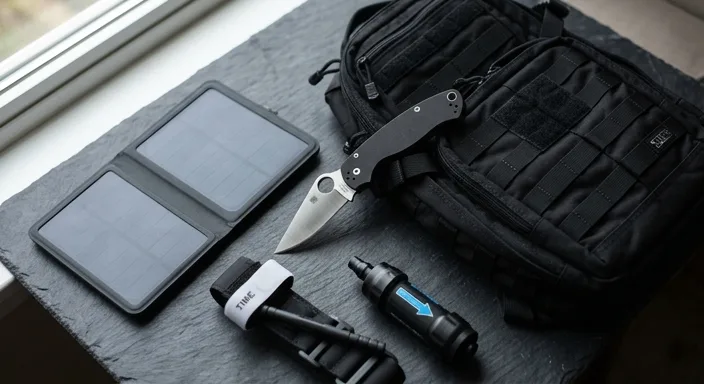
Everyday Carry (EDC): The Foundation
Your EDC is the gear you have on your person at all times. In 2026, an effective EDC kit should include:
- High-Lumen Flashlight: Minimum 500 lumens with USB-C rechargeable capabilities.
- Folding Knife: A blade made of high-edge-retention steel like MagnaCut or S30V.
- Multi-tool: Essential for field repairs and daily tasks.
- Personal Security: Items that ensure your safety while maintaining a low profile.
- Cash and Identification: Physical currency remains king when digital networks fail.
The Tiered Tactical Kit System
Organization is as important as the gear itself. We recommend a tiered system to ensure you have the right tools for the right duration:
Tier 1 (Immediate): Your pockets. This includes your EDC tools mentioned above. It is your "line of first defense."
Tier 2 (The 24-Hour Bag): Often called a "Get Home Bag." This contains water, a small medical kit, and a charging bank. It is meant to sustain you for a single day of movement.
Tier 3 (The 72-Hour/Bug-Out Bag): This is your full tactical kit. It should include shelter, 3 days of food, advanced water filtration, and more robust medical supplies.
Water Filtration and Hydration Tech
Water is your most critical resource. In 2026, filtration technology has advanced to include more portable UV-C purification alongside traditional hollow-fiber filters. Your kit should have at least two ways to treat water:
- Primary Filter: A pump or gravity-fed system (like a Sawyer Squeeze or Katadyn BeFree) that removes 99.999% of bacteria and protozoa.
- Secondary Purification: Chlorine dioxide tablets or a portable UV pen to neutralize viruses which standard filters might miss.
Environmental Protection and Shelter
Hypothermia is a leading cause of death in survival situations. Your tactical kit must prioritize "Core Temperature Control." Modern survival blankets have evolved beyond the "crinkly" foil types to breathable, heat-reflective bivvy sacks. Additionally, a high-quality poncho serves double duty as a personal rain shield and an emergency tarp.
Modern Communication and Power
Information is a survival tool. If cellular networks go down, you need a way to receive news and communicate.
Every 2026 kit should include a Satellite Communicator (like a Garmin InReach or Zoleo) which allows for two-way messaging even without cell towers. Complement this with a Portable Solar Array (10W to 20W) to keep your devices charged during extended outages.
Tactical Medicine: Trauma Care Essentials
A standard first-aid kit with Band-Aids is insufficient for tactical survival. You need an Individual First Aid Kit (IFAK) focused on trauma. This includes:
- Tourniquet (TQ): Use only CoTCCC-recommended brands like the CAT Gen 7 or SOFTT-W.
- Hemostatic Gauze: Gauze treated with agents like QuikClot to stop heavy bleeding fast.
- Chest Seals: For treating penetrating chest wounds.
- Pressure Bandages: To maintain pressure on large wounds.
Remember: Gear is useless without training. Seek out a "Stop the Bleed" course to ensure you know how to use these life-saving tools effectively.
Frequently Asked Questions
While subjective, many experts agree that a high-quality fixed-blade knife or a reliable water filter is the most critical. You can improvise shelter and fire, but purifying water and processing wood/food without a blade is significantly more difficult.
You should perform a gear audit every six months. Check battery levels, expiration dates on food and medication, and ensure that your clothing still fits and is appropriate for the upcoming season.
Legality varies by jurisdiction, especially regarding knives and self-defense tools. Always check local laws. "Grey man" gear—tactical equipment that looks like everyday civilian items—is often preferred for urban environments to avoid drawing unwanted attention.